The Alpine Hermitage: Solitude Across High Valleys
Documenting off-grid stone refugios, brutalist alpine modernism, and the seasonal rhythms of transhumance in the northern Italian Dolomites.
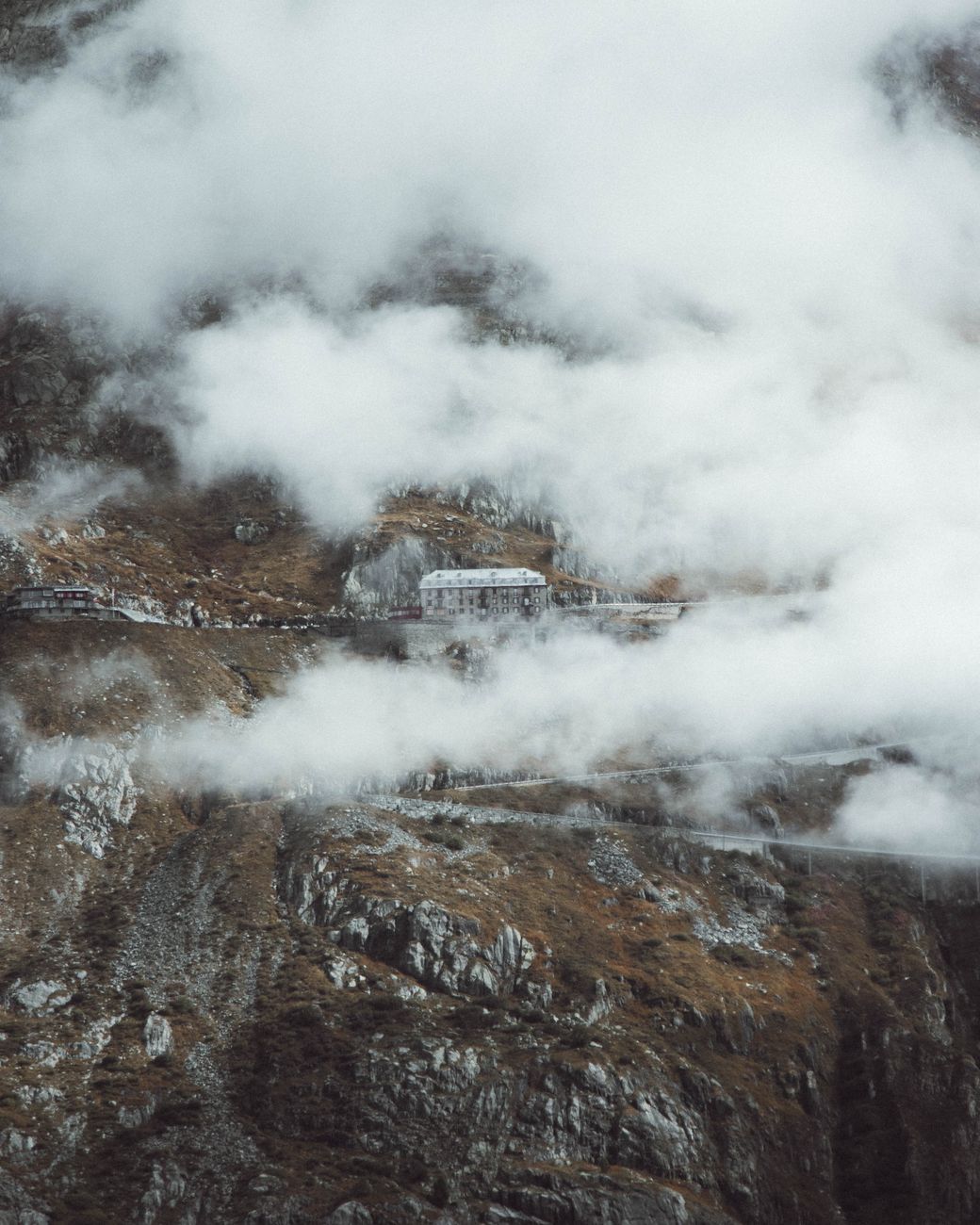
"To climb above the tree line is not merely an elevation of altitude; it is an evacuation of superfluous chatter. Limestone shelves do not accommodate trivialities."
I. The High Altitudes of South Tyrol
At 2,400 meters, autumn in the Dolomites is characterized by an amber sharpness that descends suddenly when the sun drops behind the Catinaccio massif. Modern visitors frequently arrive by high-speed cable car, snapping panoramic photographs before descending within the hour. Yet, true intimacy with this terrain requires remaining behind when the engines stop.
For centuries, the Ladin-speaking inhabitants maintained seasonal refuges constructed from locally quarried dolomite stone and larch timber harvested during winter dormancies. These structures were not designed as luxury retreats; they were fortresses against freeze-thaw cycles and temporary sanctuaries for shepherds leading dairy cattle across limestone plateaus.
Key Architectural Observations
- Narrow apertures minimizing heat radiation during ferocious alpine gales.
- Mortar-free drywall masonry utilizing fractured dolomite limestone.
- Internal hearths designed around dense local soapstone stoves.
II. The Modernist Refugio Renaissance
In recent decades, an unexpected dialogue has emerged between contemporary European architects and historical alpine societies. Rather than replicating rustic kitsch, several new shelters embrace austere brutalism: cantilevering oxidized copper and dark larch wood over dramatic cliffs, echoing the geometric sharpness of the peaks themselves.
Inside these minimalist shelters, electricity is generated through localized hydro-turbines fed by glacial runoff, and heating is supplied via deep geothermal probes. The aesthetic is spartan yet deeply comforting—a celebration of warmth, dry socks, and unpasteurized mountain butter accompanied by rye bread baked with caraway seed.
III. Notes on Ethical Exploration
Travelers seeking this high solitude must respect the fragile alpine tundra. Lichens covering these rocks often require three hundred years to establish colonies several centimeters wide. Camping outside designated refugios damages delicate micro-flora and disrupts native ibex herds grazing at dawn.
When traveling through South Tyrol, dedicate time to listening to local transhumance songs and patronizing small dairy cooperatives that maintain centuries of territorial stewardship.
Commission an Itinerary Across South Tyrol
Our advisory desk curates private alpine walks, architectural stays, and guide introductions throughout northern Italy.
Inquire with our Curators