Acoustics of Kyoto: Timber, Rain, and Scented Cedar
Tracing the invisible discipline of historical joinery, moss courtyard acoustics, and mindful hospitality across traditional Kyoto machiya.
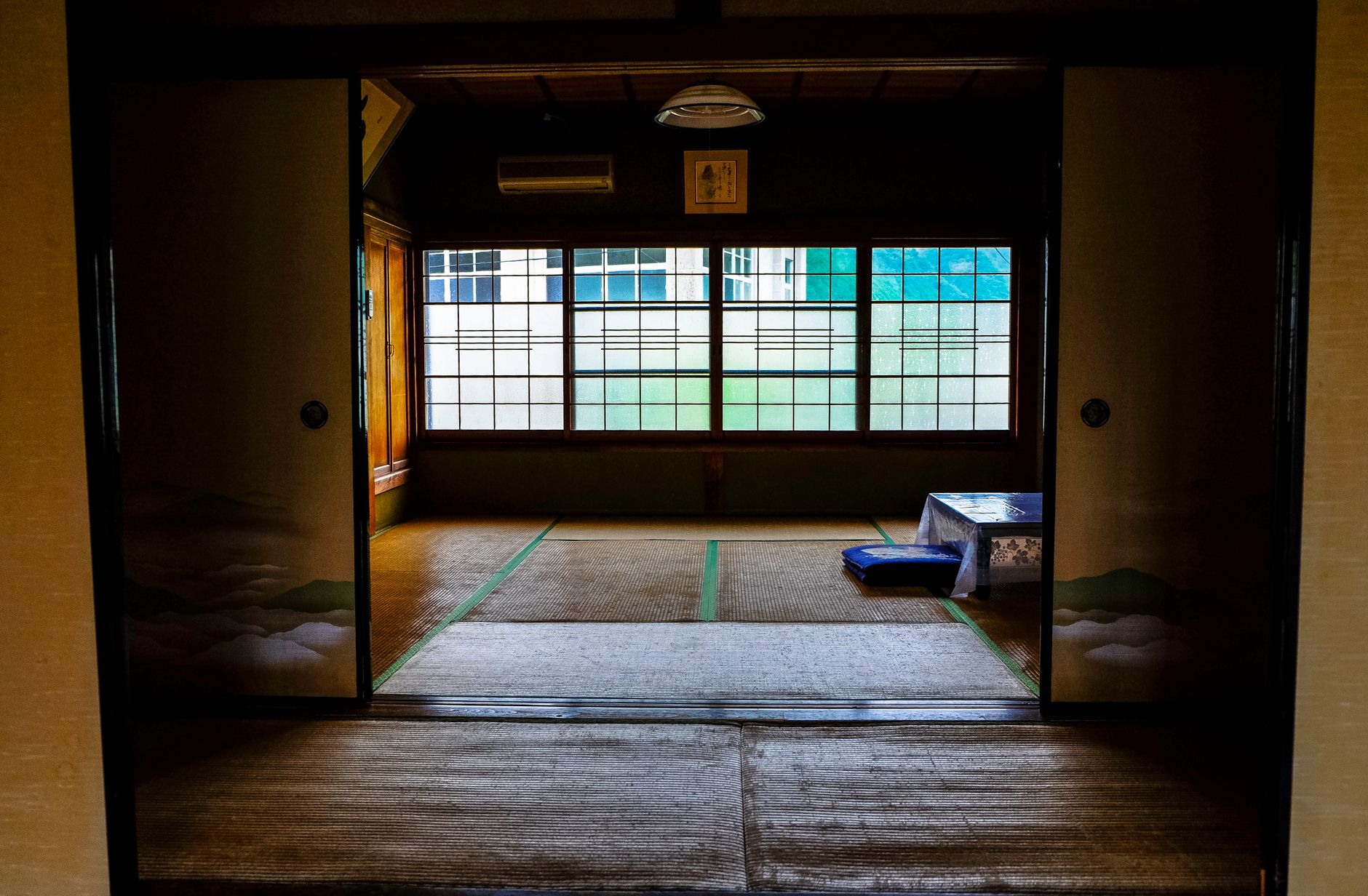
"In Kyoto, silence is not the absence of sound, but the deliberate amplification of raindrops striking gravel and bamboo sliding screens gliding along cedar grooves."
I. The Geometry of the Machiya
Walking through the quiet lanes of Gion or Higashiyama at twilight reveals a city structured around modesty. Street facades present simple lattices of vertical cypress slats known as kiyomizu-goshi, designed during the Edo period to allow inhabitants to peer outward while preventing passersby from discerning private family movements inside.
These narrow townhouse properties, known as 'beds for eels' (unagi no nedoko), stretch deep into the city blocks. At their center lies the tsuboniwa—a compact inner courtyard measuring no more than several tatami mats, yet functioning as an ecological lung and a contemplative sanctuary.
Sensory Dimensions of the Machiya
- Aromatic hinoki (cypress) wood framing that releases soft oils during humid rains.
- Tatami rush mats woven from soft Igusa grass, dampening footfalls.
- Washi paper shoji panels refracting harsh sunlight into tranquil, diffuse glow.
II. Wood Joinery Without Nails
The remarkable survival of Kyoto's traditional wooden architecture through centuries of seismic tremors is largely attributable to miyadaiku—master temple carpenters who employ intricate interlocking timber joinery without a single metal fastener. When Earth shifts, the timber frames flex, dissipating kinetic energy throughout thousands of interlocking joints.
Staying in an authentic historical ryokan provides an education in auditory subtlety. The sound of water boiling in a cast-iron tetsubin kettle over charcoal echoes against unvarnished cedar posts, reminding the traveler of the ephemeral nature of each shared moment (ichi-go ichi-e).
III. Curating an Unhurried Kyoto Visit
To experience this ancient capital without succumbing to the crowds of major shrines, visitors must recalibrate their clocks. Visit the bamboo groves of Sagano before the morning bells toll at 6:00 AM, or linger in the northern mountain villages of Kibune and Kurama where cedar roots weave across moss-carpeted pathways in serene quietude.
Planning a Specialized Cultural Journey in Japan
Our advisory collaborates directly with licensed Kyoto historians and traditional ryokan proprietors for discreet stays.
Consult our Japan Desk